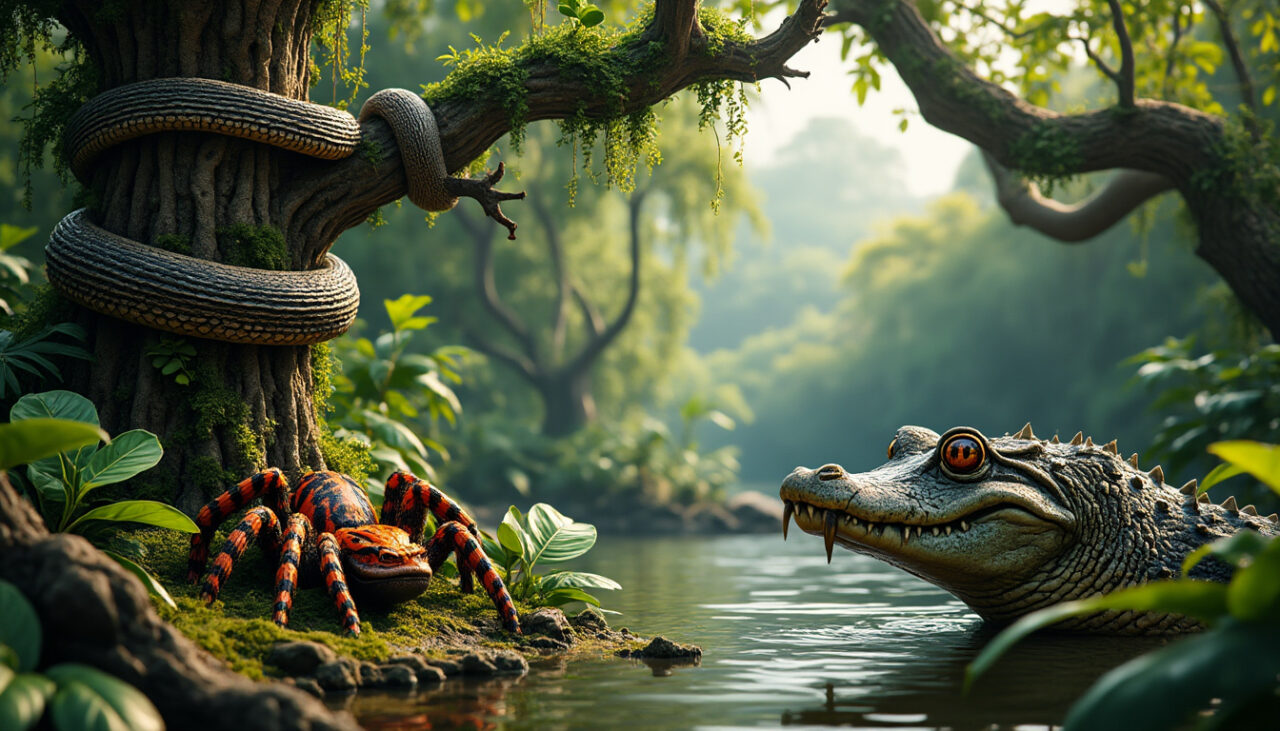
Dangerous animals in the Dominican Republic: what you should know
Ah, the Dominican Republic, this little corner of paradise where the white sandy beaches make you dream. But beware, under this blazing sun lurk some not-so-cute little creatures. Snakes, spiders, and even scorpions are part of the picture. It’s better to know which furry or scaly friends to avoid to fully enjoy your vacation. Forget the misconceptions; it’s time to uncover the real dangers lurking in these turquoise waters.
IN BRIEF
|
Dangerous animals to watch out for in the Dominican Republic
- Venomous snakes: Beware of the fer-de-lance, which can cause serious bites.
- Spiders: Be vigilant against the black widow, which is not particularly friendly.
- Scorpions: Their venom can cause significant reactions, especially if you are allergic.
- Marine species: Be wary of jellyfish and stingrays while swimming.
- Insects: Mosquitoes can carry diseases, so don’t forget insect repellent.
When thinking about the Dominican Republic, the picturesque landscapes of fine sandy beaches and turquoise waters immediately come to mind. However, this beautiful destination also hosts a wildlife that can be less welcoming. Between venomous snakes and unexpected marine creatures, here’s an overview of the dangerous animals to be aware of before your trip.
Venomous snakes
The Dominican Republic is far from lacking troublesome serpents. Among them, the fer-de-lance stands out for its high venom potency. This slippery friend can hide in wooded areas and along hiking trails. To avoid any incidents, stick to marked paths and wear boots that leave no room for surprises.
Unwanted arachnids
Spiders are not to be overlooked, with some species like the black widow found in dark corners. A bite from this creature can be very painful, unless you have a fascination for sharp pains. Make sure to check under furniture or in the luggage you’re about to bring to the beach.
Marine creatures
Watch out for the nasties that patrol beneath the water! Stingrays, with their venomous spines, and jellyfish, some of which can deliver painful stings, are very real nuisances for swimmers. Sudden dashes into these waters can turn your day into a much less pleasant experience.
Insects and other little critters
If you thought that snakes and spiders were the only concerns, it might be time to reevaluate your perception of dangers. Scorpions, although a bit more discreet, should not be underestimated. Their venom can cause pain in certain individuals. Don’t let these little creatures ruin your beautiful tropical vacation! Wow, all this makes you want to stay under a blanket, right?
Local insights on dangerous animals
The local population often shares an opinion that could be described as slightly optimistic: there really aren’t any dangerous animals in the Dominican Republic. Yet, by doing your own research, you realize that a few simple precautions can make all the difference in avoiding unpleasant incidents. As these practical tips from experienced travelers can only reassure you, stay curious and vigilant.
Be prepared for the unexpected
A visit to Punta Cana can be fabulous, but it’s better to stay alert. Find out about medical care options available on site in case an unexpected encounter with an animal clouds your stay. Exploring this beautiful country can be done with just a bit of common sense.
For more information on the risks encountered during your musical adventures, you can consult resources like this article. And if you are more in search of other destinations, why not discover Lanzarote or Tanzania for other revelations about creatures with unfriendly intentions?
Dangerous animals in the Dominican Republic: A practical guide
The Dominican Republic, with its natural beauty and paradise beaches, attracts many travelers in search of sun and adventure. However, behind this idyllic backdrop lurk certain dangerous animals that it is wise to know about for a serene vacation. Others have just left their family cocoon and do not expect such a cultural shock.
Among the creatures to watch out for are venomous snakes such as the fer-de-lance. Although their presence is rare, it is wise to be vigilant during hikes in the wilderness. With their shimmering scales, these snakes don’t crush dreams but bring a dose of adrenaline. Don’t get too close; survival instinct may prove prudent.
Spiders, particularly the black widow, and scorpions, although less common, are other unwanted residents. These hidden little critters in corners can cause inconvenience if one is not careful. Don’t invite them; their contact won’t be the best memory of your vacation.
On the marine front, stingrays and certain jellyfish also pose a risk to swimmers. Although their appearance is fascinating, unexpected contact could turn your swim into a nightmare. Prefer observing from a distance to avoid a lot of trouble.
Ultimately, while the Dominican Republic offers breathtaking landscapes, a good knowledge of its wildlife is essential to fully enjoy your stay. Be a savvy traveler and stay vigilant; happiness is sometimes just a kick away from a snake!
FAQ about dangerous animals in the Dominican Republic
What are the main dangerous animals in Punta Cana?
In Punta Cana, you may encounter venomous snakes like the fer-de-lance, spiders such as the black widow, and scorpions. Some marine species, like jellyfish and stingrays, may also pose a risk.
How to protect against venomous animals during your stay?
Staying vigilant and avoiding wooded or poorly lit areas can help reduce risks. By wearing closed shoes and long clothing, you will be better protected against potential bites or stings.
Are sharks a danger to swimmers in the Dominican Republic?
The majority of sharks found in the coastal waters of the Dominican Republic are generally not dangerous to humans. Encounters remain rare, and most species are harmless.
Are there any special recommendations for divers?
Divers should be cautious of marine species like stingrays and jellyfish. Using gloves and a wetsuit can also offer additional protection.
Are spiders and scorpions common?
Yes, they can be present in certain areas, especially near rural zones. Staying vigilant and inspecting places before settling can help you avoid unpleasant encounters.
Does the local population consider wildlife dangerous?
There are mixed opinions. Some claim that there are no venomous animals in the Dominican Republic, while others recommend caution. It is better to inquire about local wildlife before setting off on an adventure.