Luxury Alps Ski Holiday Planning: 8 Essentials Before You Travel
A polished Alpine escape starts long before the first chairlift. The right resort, a well-positioned address and a realistic rhythm turn a ski week into a genuinely restorative stay.
This luxury Alps ski holiday planning guide brings together the eight decisions that shape comfort on the mountain: where to stay, how to arrive, what to reserve and how to leave room for spontaneous pleasures.
Use it as a working checklist, especially for school-holiday weeks, when the most desirable hotels, instructors and dinner tables disappear first.
1. Choose a resort with your own rhythm in mind
Each Alpine resort has its own pace. Families often value pedestrian centres, gentle nursery slopes and easy access to ski schools. Groups drawn to late lunches and après-ski will prefer a lively village with a wide choice of bars and restaurants. For a quieter escape, look towards intimate high-valley hamlets, where evenings are built around a fireplace, a long dinner and early tracks.
Snow reliability deserves equal attention. Higher resorts generally offer a longer-feeling season and cooler conditions, while lower villages can feel warmer and more traditional. Check the altitude of both the village and the highest skiable terrain, then consider the size of the linked ski area. A vast domain suits ambitious skiers; a compact resort can create a calmer, more effortless week.
Look beyond the piste map. A good premium stay may include a serious spa, winter walking routes, boutiques, galleries, horse-drawn outings or a memorable mountain restaurant. For a broader framework on timing, route-building and avoiding avoidable friction, see this Alps ski stay guide.
2. Book an address that makes every day easier
Match the accommodation to the way you travel
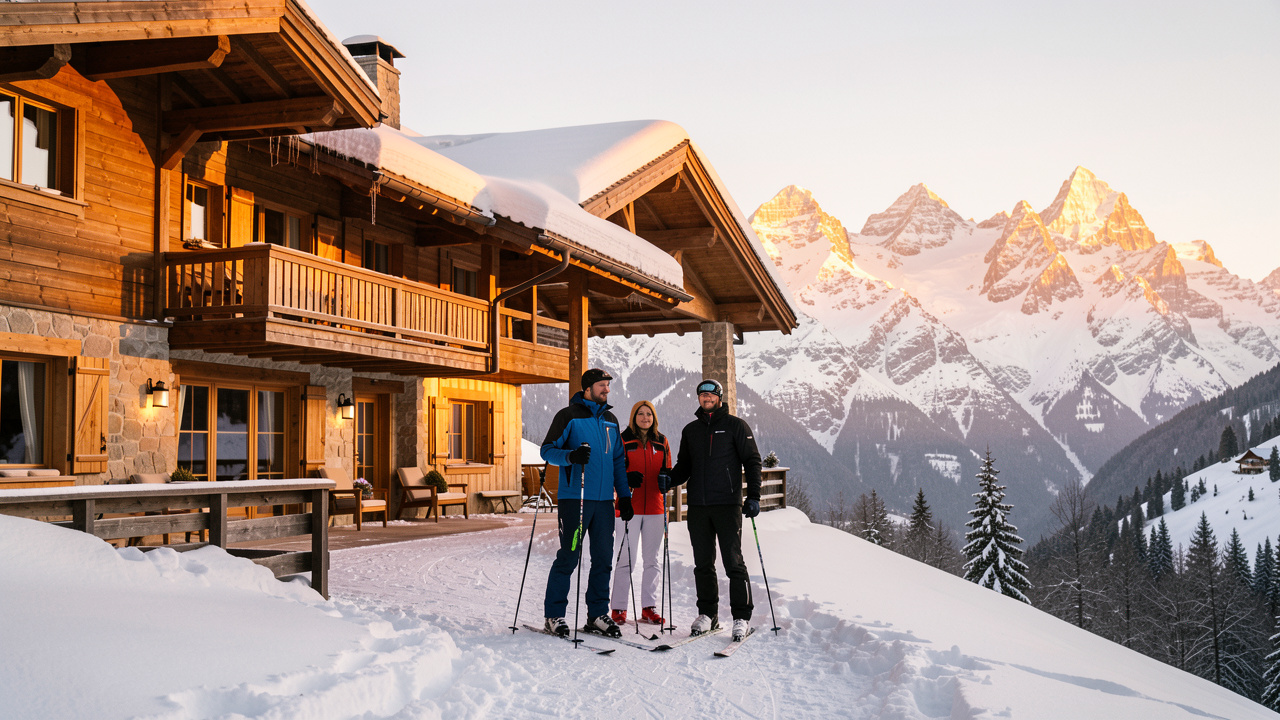
Ski-in/ski-out hotels offer the greatest convenience: breakfast, boot room and lift access line up neatly, which matters on cold mornings with children or beginners. A private chalet brings privacy, generous living spaces and, depending on the service level, a chef, host and driver. Serviced apartments work well for independent travellers who still want hotel-style support, while a mountain lodge suits guests seeking a smaller-scale, characterful atmosphere.
Read the map as carefully as the room descriptions. A beautiful property can feel remote if it involves a steep walk in ski boots or relies on limited shuttle schedules. Check the distance to the nearest lift, ski school meeting point, supermarket, restaurants and village centre. Ask where equipment is stored, whether breakfast is included and how late the return transport runs after dinner.
For peak weeks, reserve the accommodation first and build the rest around it. The best locations are often the first to go, particularly rooms large enough for families and chalets that accommodate several couples comfortably.
3. Arrange the journey before you book the details
3. Pick the airport around the resort, not habit
Choose an airport after selecting the resort and comparing realistic arrival times. A flight that lands earlier can save more than an hour of waiting in the valley, even if the fare looks slightly higher. Factor in baggage collection, rental equipment, child seats and the possibility of weather-delayed roads. If you are travelling with skis, check airline baggage rules before assuming they are included.
4. Make arrival day feel unhurried
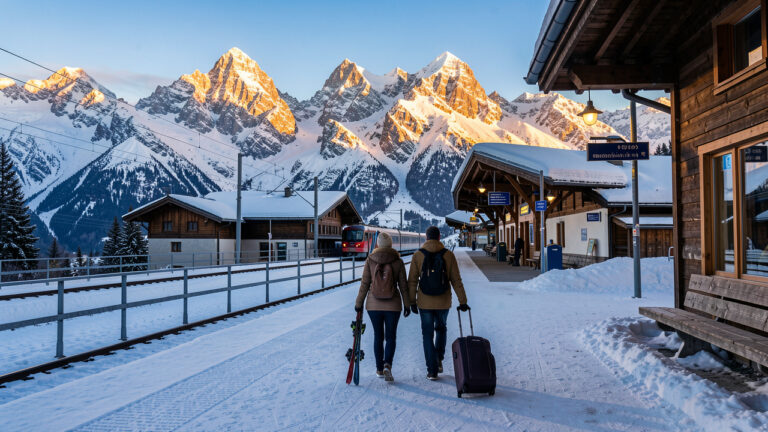
Door-to-door transport is particularly useful when a group has bulky luggage, young children or a late landing. Confirm the vehicle capacity for suitcases and ski bags, the meeting point, planned comfort stops and the procedure if the flight is delayed. Travellers who want a private arrival arranged in advance can consult these Alps airport transfers.
Keep your first evening simple: a table near the hotel, a stocked chalet kitchen or room service. The mountain journey is part of the holiday, yet it should not consume the energy reserved for the first morning on snow. Before booking flights, it is also worth comparing total fares and baggage conditions with a flight price comparison.
4. Secure ski services while the choice is wide
5. Pre-book the experiences that shape the week
Lift passes, equipment hire, private lessons and childcare deserve early decisions. Private instructors are especially sought after during holiday periods, and the best ones can transform a mixed-ability group into a more confident, relaxed party. They know where to find good light, quieter slopes and the right lunch terrace on a busy day.
Reserve rental equipment close to your accommodation or arrange delivery where available. Premium skis and well-fitted boots make a tangible difference after several full days. If your group includes first-timers, book lessons around the same meeting area to avoid splitting the morning into complicated drop-offs.
Choose flexible conditions where possible. A little booking flexibility gives you breathing room if travel plans shift or if a member of the party is unwell. Travel insurance should reflect the trip’s real value, including prepaid accommodation, ski activities and any specialist equipment.
5. Design a mountain week with space to breathe
6. Alternate active days with slower pleasures
The most satisfying luxury Alps ski holiday planning leaves room between reservations. Begin with a gentle first day to find your bearings, then build in one late breakfast or spa afternoon midway through the stay. Snowshoeing through a silent larch forest, a scenic train journey, a wine-led lunch or an afternoon browsing village shops can become the memory that stays longest.
Book one or two destination dinners rather than filling every evening. Mountain restaurants often operate with fixed sittings, and transport home may need arranging. Keep at least one night free for a last-minute recommendation from the concierge or a simple meal by the fire.
Weather changes the ideal itinerary. Save panoramic excursions and high-altitude lunches for clear days; use snowfall or low visibility as an invitation for a spa treatment, a long lunch or an instructor-led session in sheltered terrain.
6. Pack smartly and set a budget you can enjoy
7. Bring comfort for the slopes and the village
Pack technical base layers, a warm mid-layer, waterproof outerwear, quality gloves and ski socks. High-altitude sun can be intense even in winter, so add sunglasses or goggles with suitable lenses, sunscreen and lip protection. For evenings, mountain villages call for warm, unfussy pieces: insulated boots with grip, knitwear and one smarter outfit for a special dinner.
Hiring skis and boots reduces luggage pressure and often makes airport days easier. If bringing your own gear, weigh the convenience against airline limits, transfer space and the effort of handling equipment through terminals.
8. Price the full stay, then confirm every moving part
Build the budget around the complete experience: accommodation, meals, lift passes, lessons, equipment, spa treatments, activities, tips and local transport. During school holidays, early reservations can protect both availability and value for hotels, private instruction and popular restaurants.
In the final week, reconfirm travel documents, insurance details, flight times, accommodation contacts and restaurant bookings. Check resort opening information, share arrival details with everyone in the group and keep emergency numbers accessible offline. With those practical pieces settled, the journey starts exactly where it should: with the first clean turn of the day and no decisions left to chase.